The Almost-Win Machine: Auditing Casino App Design That Makes Random Feel Personal
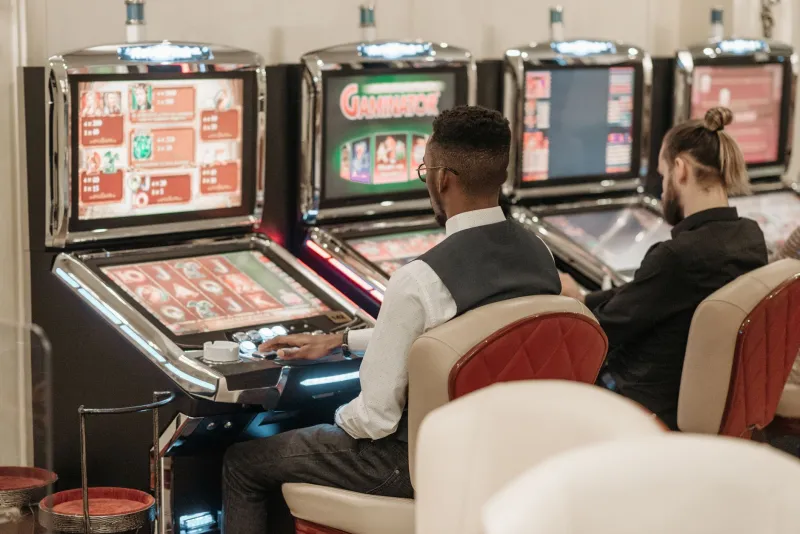
A slot spin is short. An app can make it feel like a tiny episode. The reels start, the sound rises, one symbol stops a pixel short, and the screen gives you a little moment of almost. Nothing about that near miss changes the math of the next spin. But the design can change how the spin feels, and that feeling can steer the next tap.
That is the near-miss economy. It is not always a conspiracy, and it is not unique to one operator. It is a set of user-experience choices that make random outcomes feel personal, progressive, and close. In 2026, US players deserve to understand the show behind the screen, not just the paytable inside it.
Why an eight-second loop feels like a story
A modern casino app is built around short loops. Spin, anticipation, result, celebration or consolation, prompt to spin again. Eight seconds is enough to create a small arc: setup, tension, outcome. Add sound and animation and the arc feels bigger than it is.
That matters because humans are pattern-hunting machines. We notice sequences. We remember the spin that nearly hit. We forget the uneventful ones. A near miss can feel like evidence that we are close, even though a random number generator has no memory of the last result and no intention for the next one. The app does not have to promise progress. The design can imply it.
The UX tricks that turn noise into narrative
Most of the tricks are small. That is what makes them effective.
Sound design is one. A rising chime before a result can create suspense. A celebratory burst can make a small win feel larger than its cash value. A dull thud on a loss can make the loss feel final, while a softer sound on a near miss can make it feel like a nudge.
Animation timing is another. Reels that slow down near a matching symbol create a visual almost. A bonus tease that flashes three scatters but only lands two can feel like a missed opportunity rather than a random outcome. Some apps use anticipation animations on selected spins, which can make those spins feel more important than the rest.
Then there are the prompts. A cash-out button that pulses after a near miss. A message that says your luck is heating up. A streak counter that treats consecutive spins as a relationship rather than a sequence. A daily wheel that rewards you for returning, not for playing well. Personalized offers that use your name and your favorite game can make the app feel like it knows you. It does, in the sense that it knows your behavior. It does not know your future.
Currency abstraction matters too. When the screen shows credits instead of dollars, it is easier to tap again. When a bonus is displayed as a big number before wagering requirements are explained, it feels like a win before it is one. None of this is illegal by itself. But it is design with an agenda: keep the loop moving.
Near misses are not progress
This is the sentence to tape to your monitor: a near miss is not a step toward a win. It is a losing outcome that was dressed up to look like a signal. In a random game, the next result is independent of the last one. A slot does not remember that it almost gave you three scatters. It does not owe you a bonus because it teased one.
That does not mean every app is cheating. Regulated US casino games use random number generators, and licensed operators submit to testing and oversight. The issue is perception. A fair game can still be presented in a way that makes unfair conclusions feel natural. The house does not need to bend the odds if the interface can bend your attention.
A practical self-audit for your next session
You do not need a lab coat to audit your own play. You need a few minutes before and after, and a willingness to notice what the app is doing.
Before you start, screenshot your balance and check the game’s information screen. Look for the return-to-player percentage, hit frequency if it is listed, and the bonus terms. Decide on a session limit and a time limit before the first spin, not after the first near miss.
During play, turn the sound off for a few minutes and watch what changes. Does the game feel less urgent? Count how many prompts ask you to deposit, spin faster, or claim a bonus. Notice when the app slows down, flashes, or celebrates. Ask yourself one question after each prompt: did I decide to do this, or did the app suggest it?
Keep a simple tally. How many spins did you plan? How many did you play? How many times did you chase a near miss with another spin? If the answer to that last one is more than zero, you have found the exact moment where design is steering the decision.
After the session, review your balance and your mood. A near miss can leave a little adrenaline behind. That is not a reason to play again. It is a reason to stop and reset. If you feel like you are on the verge of something, that is the moment to check whether the verge is real or manufactured.
When design is steering
The warning signs are not mysterious. You are chasing. You are increasing bets after an almost. You are losing track of time. You are tapping through prompts without reading them. You are playing for the animation rather than the game. Any of those is a signal to pause, not to push.
Luck8882’s take is simple: the informed player watches the interface as closely as the reels. You cannot control the random number generator. You can control whether an eight-second loop turns into an eight-minute decision spiral. Audit the design. Then make the next tap yours.