From Baccarat to Blackjack: Ranking Seven Casino Games by How Much Luck You Really Need
Walk into any casino in Vegas, Atlantic City, or a tribal property outside Tulsa and you'll hear the same word used for three different things: luck. Sometimes people mean variance — the short-term rollercoaster. Sometimes they mean the house edge — the long-term tax. And sometimes they mean the amount of control a player actually has over the outcome. This list is about that third meaning. Here are seven games you'll find on nearly every US floor, ranked from "almost entirely out of your hands" to "your choices genuinely move the needle."
How We Ranked Them
No casino game in 2026 is a skill contest with a guaranteed payday. The ranking below isn't about which game you can beat — it's about how much your decisions change your expected result. A game ranks high on the luck scale when the only real choice is how much to bet. It ranks lower when bet selection, strategy, or table conditions can shift the house edge by a meaningful margin.
One note: high-luck games aren't "bad" and low-luck games aren't "good." They're different experiences. Knowing which is which is the whole point.
1. Slot Machines — The Purest Form of Chance
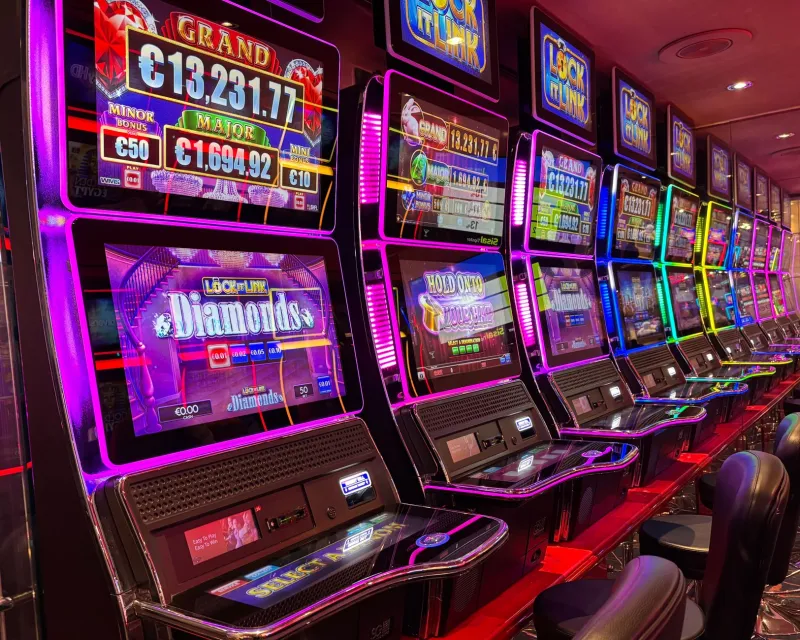
Modern slots run on random number generators that don't care about your streak, your mood, or the machine next to you that just paid out. Your only decisions are stake size and how long you play. Published return-to-player figures typically land somewhere between 85% and 96% depending on the game and the jurisdiction, and that number is baked in before you press a button. If you want to sit back and let fortune do all the driving, this is the top of the ladder.
2. Keno — Long Odds With No Leverage
Keno is essentially a lottery ticket with a comfortable chair. You pick numbers, the house draws, and the house edge is famously steep — frequently in the 25% to 35% range depending on the pay table. There's no strategy that meaningfully changes it, because every combination is equally likely. Keno earns its spot near the top of the luck ladder. It's entertainment with a price tag, and it's honest about that.
3. Baccarat — Two Buttons, Tiny Differences
Baccarat feels sophisticated and moves fast, but your decision set is small: bet on the banker, the player, or the tie. The banker bet carries roughly a 1.06% house edge, the player bet about 1.24%, and the tie bet is a distant third at over 14%. So yes, you make a choice — but the gap between a smart choice and a mediocre one is narrow compared to games further down this list. The cards do almost all the work.
4. Craps — Where Your Bet Choice Matters More Than the Roll
Here's the split personality of craps: the dice are pure chance, but the betting menu is where the real decision lives. A pass line bet with odds is one of the better wagers on the floor, with a house edge around 1.41% before odds. Meanwhile, the proposition bets in the middle of the table can carry edges north of 10%. Same dice, wildly different math. Craps lands mid-ladder because the roll is luck, but your bet selection is genuinely yours.
5. Roulette — One Choice, Big Consequences
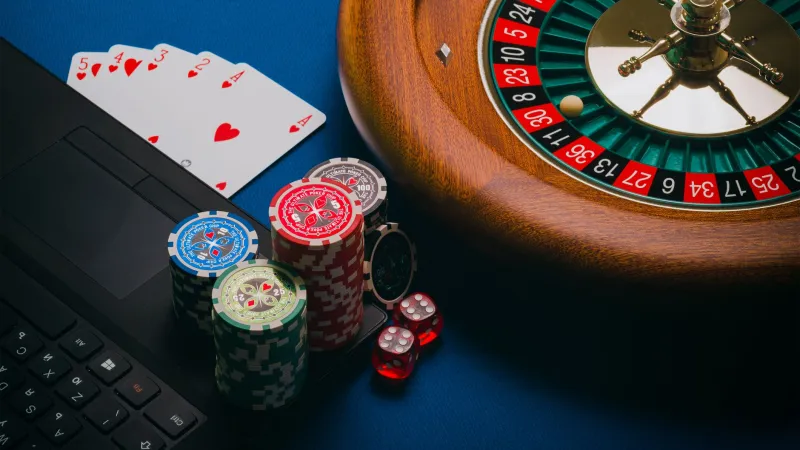
The wheel is random. What isn't random is which wheel you sit at. American double-zero roulette carries a 5.26% house edge on most bets. European single-zero roulette drops that to about 2.70%. And the spread between an even-money outside bet and a single-number bet is enormous in terms of variance, even though the edge stays similar. Roulette rewards players who understand what kind of ride they're signing up for.
6. Video Poker — Strategy Actually Shows Up on the Pay Table
This is where the ladder starts to tilt. A full-pay Jacks or Better machine returns roughly 99.5% with optimal play. Play the same machine carelessly and that figure can slide two or three percentage points. Add in the fact that pay tables vary from machine to machine, and suddenly your decisions — which machine, which holds, which discards — are doing real work. Video poker is still a gambling game, but it's one where homework has a measurable payoff.
7. Blackjack — Decisions Move the Number the Most
Blackjack tops this list because basic strategy genuinely compresses the house edge to roughly half a percent on a well-ruled table. Play by feel instead and that edge can balloon past 2%. Rules matter too: dealer standing on soft 17, double-after-split, and blackjack payouts all shift the math. Over a single hand, luck dominates completely. Over a few hundred hands, the quality of your decisions becomes visible. That's the clearest skill signal on a casino floor.
Luck and Variance Are Not the Same Thing
A quick clarification, because the two get blended constantly. Slots have high variance — long dry spells punctuated by spikes. Blackjack has lower variance per hand but rewards consistency. A game can be high-luck in the sense that your decisions barely matter, and still be low-variance in the sense that your bankroll drains slowly and predictably. Match the game to your temperament, not just to the house edge chart.
Choosing a Game That Fits Your Risk Style
- Want zero decisions and a pure thrill? Slots or keno, with a budget set before you sit down.
- Want a social table with simple choices? Baccarat or craps, sticking to the low-edge bets.
- Want to feel your decisions land? Blackjack and video poker reward preparation.
- Want a slow, steady grind? Lower-variance bets on games you already understand beat exotic bets on games you don't.
The Bottom Line
The Hall of Fame isn't a ranking of good games versus bad ones. It's a map of where your brain gets a vote. Fortune favors the informed player — and the most informed thing you can do is know exactly how much of the outcome was ever yours to control.